Personalized bedtime stories: why making your child the hero matters
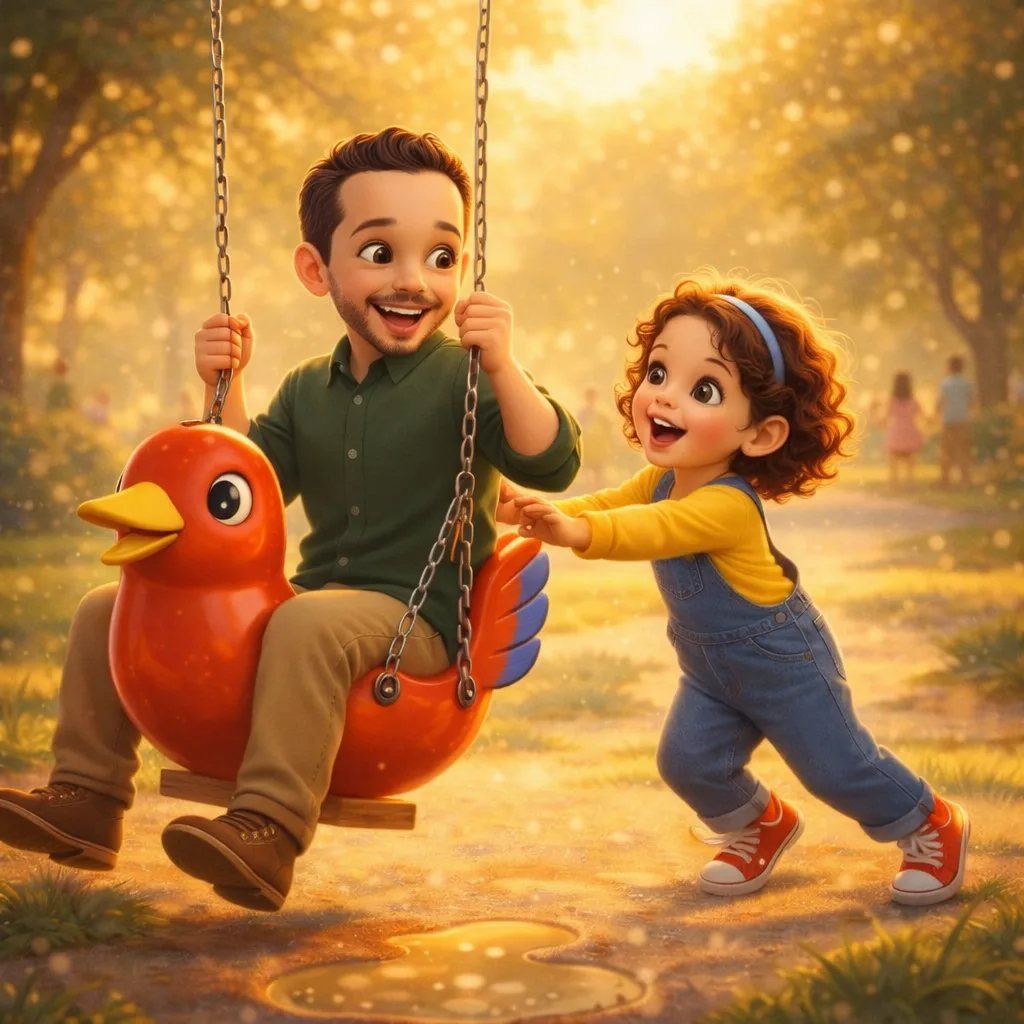
Every parent has watched a toddler light up the moment they hear their own name in a story. That spark isn't a coincidence, it's how young children are wired. A personalized bedtime story, where your child is the hero and you are the guide, turns a passive read-aloud into something they feel part of.
Why personalization works for toddlers
- Attention. Children ages 1–5 focus longest on what's about them. A familiar face and name on the page keeps them engaged where a generic story loses them.
- Confidence. When your child is the one who's brave, kind, or curious in the story, they try that identity on. Seeing themselves as capable is quietly powerful.
- Emotional safety. A hero who feels nervous and gets through it gives your child a safe mirror for their own feelings, which is part of helping toddlers name feelings.
- Connection. When you appear in the story as the guide, you're modeling exactly the relationship you have at bedtime: right there on the page.
What personalization is actually doing
It is tempting to assume the appeal is novelty, that seeing your own name in print is a one-off thrill that wears off. That is not quite what happens with young children, and the difference matters if you are deciding whether it is worth it.
Between roughly two and five, children are actively assembling a sense of who they are, and they do it largely through narrative: the stories told about them, and by them. A book in which your child is competent, brave, or kind is not just entertaining. It is a statement about them, delivered by the person whose opinion matters most, at the moment of day when they are most receptive. That is why the same personalized book gets requested for weeks while a generic one gets read twice.
It also changes the reading itself. A generic story is something you perform at your child. A story they are in is something you look at together, and the conversation it prompts: “was I brave?”, “did you help me?”: is where most of the value is.
What makes a personalized story good rather than just personalized
Not all personalization is equal, and a name swapped into a template is the weakest form. A few things separate a book a child asks for again from one they don't.
- The child does something, rather than has something done to them. Agency is the whole point. A story where your child is admired is far less interesting to them than one where they decide, try, and manage.
- The adult is present and useful, not absent. Stories that remove the parent to let the child be heroic miss what a toddler actually wants, which is to be capable with you nearby.
- The difficulty is real but small. A story with no problem is boring; one with a frightening problem is counterproductive at bedtime. The sweet spot is a manageable snag resolved through effort or togetherness.
- It ends calm. Bedtime stories have a job beyond the story. An ending that resolves and settles is doing half the work of the routine.
- No lesson bolted on. Children detect being taught at, and it makes the book feel like an instruction rather than a gift. If a story carries a skill, it should be practised inside the events, not announced at the end.
It becomes a keepsake
A generic book gets outgrown. A story starring your child at age three, with their real face, their name, and you beside them: is something families keep. Years later it's a snapshot of who they were and the nights you spent together.
How to make a personalized bedtime story
You have a few options, from most to least effort:
- Make it up out loud. Free and flexible; just insert your child as the hero. Great, but nothing to keep.
- Fill-in-the-name books. A name dropped into a template: better than nothing, but not really your child.
- Photo-based personalized books. The story is illustrated with your family's real faces, so your child truly is the hero. This is what DadTale does: you upload a photo, pick tonight's adventure, and get an illustrated story (plus a bonding question and keepsake card) in a few minutes.
Honest limitations
Two things worth knowing before you decide.
Likeness is approximate. AI illustration gets a recognizable resemblance far more often than not, but it is not a photograph and occasionally a page misses. Any service worth using will redo a page you are not happy with; if one won't, that tells you something.
Personalization is not a substitute for range. A child who only ever reads books about themselves is missing something. Personalized stories work best as one part of a shelf, the book for the nights when connection is the point, alongside ordinary books that take your child somewhere they have never been and introduce them to people unlike them.
Make it a ritual, not a one-off
A single novelty story is fun once. The real value comes from folding it into a repeatable bedtime bonding ritual, same time, same calm, your child at the center of the story each night.
Quick answers
Do personalized books stop working once the novelty wears off?
Less than you would expect at ages 1–5. Toddlers build a sense of self through repeated narrative, so a story where they are competent tends to get requested repeatedly rather than once. The pull is identity, not surprise.
Should personalized books replace ordinary picture books?
No. They work best as one part of a shelf. A child who only reads about themselves misses the thing ordinary books do: taking them somewhere new and introducing people unlike them.
Are personalized stories actually better for kids?
For young children, yes: personalization boosts attention and engagement, and seeing themselves as the capable hero supports confidence. The biggest benefit is the connection and keepsake value for the family.
How do I make a bedtime story with my child as the hero?
Improvise one out loud, use a fill-in-the-name book, or use a photo-based tool like DadTale that illustrates the story with your child's real likeness and casts them as the hero and you as the guide.
Make tonight's story personal
DadTale turns your photos into a bedtime story where your child is the hero: free preview, US$8 per book, no subscription.
Start tonight's storyKeep reading